
Overview of Florida Contractor License Categories
If you’re diving into the construction world in Florida, understanding the Florida contractor license categories is a must. It’s like having the right toolbox for the job – without the proper license, you can’t legally build, repair, or manage construction projects. I’ve been through the maze of licensing myself, and I’m here to break it down for you in a way that’s easy to digest.
Understanding Florida Contractor License Categories
Florida’s licensing system is designed to keep construction safe, professional, and up to code. The state divides contractor licenses into several categories, each tailored to specific types of work. Whether you’re a general contractor or a specialist, there’s a license that fits your trade.
Here’s a quick rundown of the main categories:
Certified General Contractor: Handles large-scale projects, including commercial buildings and complex residential structures.
Certified Building Contractor: Focuses on residential and small commercial buildings.
Certified Residential Contractor: Specializes in one- and two-family dwellings.
Certified Roofing Contractor: Deals exclusively with roofing systems.
Certified Plumbing Contractor: Covers plumbing installations and repairs.
Certified Electrical Contractor: Responsible for electrical systems.
Certified Mechanical Contractor: Works on HVAC and other mechanical systems.
Each license has its own requirements, including experience, exams, and financial stability. Knowing which category fits your skills and business goals is the first step toward success.

What is a CCC License in Florida?
One of the most common licenses you’ll hear about is the Certified Contractor’s License (CCC). This license is a bit of a catch-all for contractors who want to work on a variety of projects without being limited to a single specialty.
The CCC license allows you to:
Manage and supervise construction projects.
Perform work in multiple trades, depending on your qualifications.
Bid on larger projects that require a certified contractor.
To get a CCC license, you’ll need to pass a comprehensive exam that covers business practices, law, and construction knowledge. It’s a solid choice if you want flexibility and the ability to expand your services.
How to Choose the Right License for Your Business
Picking the right license isn’t just about what you want to do – it’s about what the market needs and what you’re qualified for. Here’s how I recommend approaching it:
Assess Your Skills and Experience
Be honest about your strengths. If you’ve been working in electrical systems for years, the Certified Electrical Contractor license makes sense.
Consider Your Business Goals
Are you aiming to build custom homes or manage commercial projects? Your license should align with your long-term plans.
Check Local Demand
Some areas have more demand for certain trades. Research your target market to find opportunities.
Understand the Requirements
Each license has different prerequisites. Make sure you meet the experience, exam, and financial criteria before applying.
Plan for Growth
If you want to expand later, consider starting with a broader license like the CCC.
If you want to explore all the options, you can check out the full list of types of contractor licenses in Florida.
The Application Process: What to Expect
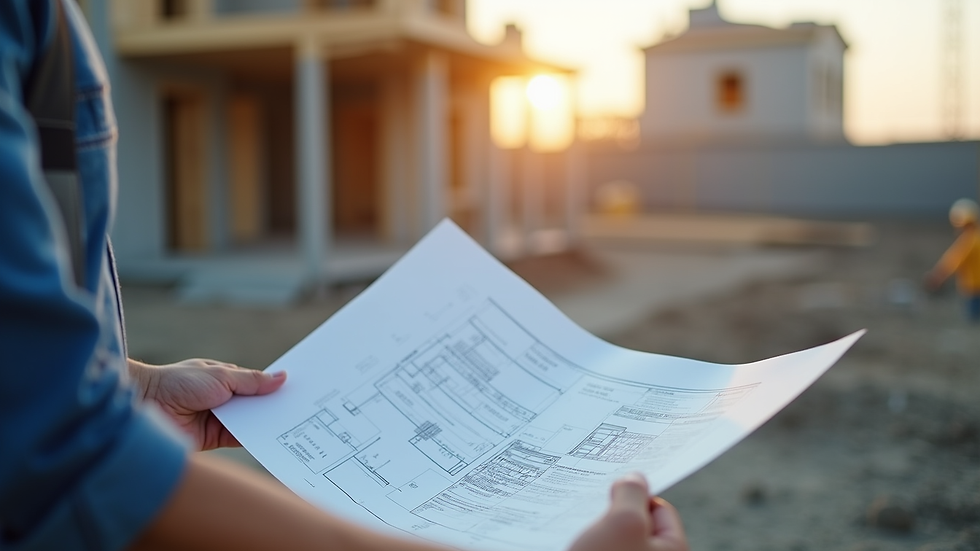
Applying for a contractor license in Florida isn’t a walk in the park, but it’s manageable if you know the steps. Here’s a quick guide:
Step 1: Meet the Experience Requirements
Usually, you need at least four years of experience in your trade, with some of that time in a supervisory role.
Step 2: Pass the Required Exams
You’ll take a business and finance exam plus a trade-specific exam.
Step 3: Submit Your Application
This includes proof of experience, exam results, financial statements, and background checks.
Step 4: Get Your Insurance and Bonding
Florida requires contractors to have liability insurance and workers’ compensation coverage.
Step 5: Await Approval
The licensing board reviews your application and, if everything checks out, issues your license.
Being prepared and organized can speed up this process. Keep copies of all documents and stay on top of deadlines.
Tips for Maintaining Your License and Growing Your Business
Once you have your license, the work doesn’t stop. Here are some tips to keep your license in good standing and grow your construction business:
Renew on Time
Florida licenses need to be renewed every two years. Mark your calendar and complete any continuing education requirements.
Stay Updated on Regulations
Building codes and laws change. Keep learning to avoid costly mistakes.
Build a Strong Network
Connect with suppliers, subcontractors, and clients. Word of mouth is powerful in construction.
Invest in Marketing
A professional website and positive reviews can help you stand out.
Focus on Quality and Safety
Happy clients and safe job sites lead to repeat business and referrals.
Getting licensed is just the beginning. Treat it like a foundation for your business to grow on.
Your Next Steps Toward Licensing Success
Navigating the Florida contractor license categories might seem overwhelming at first, but with the right info and a clear plan, you’ll get there. Remember, the key is to match your skills with the right license and follow the application process carefully.
If you’re ready to take the plunge, start by reviewing the types of contractor licenses in Florida and gathering your experience documentation. From there, focus on passing your exams and submitting a solid application.
With patience and persistence, you’ll soon hold the license that opens doors to new projects and opportunities. Here’s to building your future in Florida’s construction industry!


